Restoration
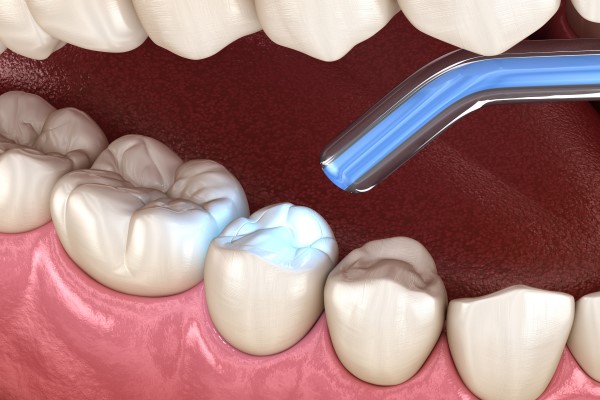
Dental restorations involves repairing or replacing damaged ,decayed or missing teeth to restore function ,integrity and aesthetics.
Modern cosmetic fillings not only repair the damaged tooth but also enhance its appearance. These restorations are designed to blend naturally with the surrounding tooth structure while ensuring long-term strength and durability.
Why Are Dental Fillings Needed?
• To stop the progression of tooth decay
• To restore the strength and function of the tooth
• To prevent infection from spreading to the root
• To avoid the need for tooth extraction
• To improve aesthetics and oral health
With advances in dental materials, cosmetic fillings have become a conservative and reliable solution for managing cavities at an early stage.
Types of Dental Filling Materials
1. Silver Amalgam Fillings
Silver amalgam is a traditional filling material that has been used in dentistry for several decades. It is composed of a mixture of metals such as mercury, silver, tin, and copper. Although highly durable and strong, amalgam fillings are now less commonly used due to aesthetic concerns and the availability of tooth-coloured alternatives.
2. Glass Ionomer (Fluoride) Fillings
Glass ionomer fillings are commonly used for deeper cavities and areas requiring additional fluoride release.
Advantages include:
• Adhesive bonding to tooth structure
• Fluoride release that helps prevent further decay
• White or tooth-coloured appearance
These fillings are especially beneficial in areas where decay control is a priority.
3. Composite (Tooth-Coloured) Fillings
Composite fillings are made from a blend of glass particles and resin. They closely match the natural colour of teeth, providing excellent aesthetic results.
Benefits include:
• Natural, tooth-like appearance
• Strong bonding to enamel
• Ideal for visible areas of the mouth
Composite fillings are the preferred choice for patients who are concerned about aesthetics and want a seamless, natural look.
