Managing Traumatised Teeth
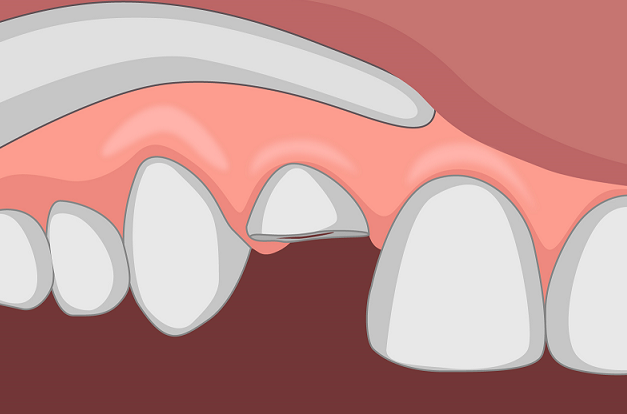
Intrusion
Intrusion is defined as apical displacement of the tooth into the alveolar bone. It is accompanied by compression of the periodontal ligament, disruption of the neurovascular supply to the pulp, contusion of the cementum and crushing fracture of the alveolar socket. In severe injuries the tooth may be locked into the bone. Clinical findings reveals a tooth that may appear shortened or even missing. In primary teeth the tooth apex is usually displaced labially toward or through the labial bone plate. In permanent teeth the displacement is into the alveolar bone. There is no tooth mobility nor tenderness to touch. Radiographic findings reveal that the tooth is displaced apically and the periodontal ligament space is not continuous. Determination of the position of the primary tooth in relationship to the developing permanent tooth may be determined by a lateral radiograph. Alternatively, if the apex is displaced labially, the apical tip can be seen radiographically with the tooth appearing shorter than its contralateral. If the apex is displaced palatally towards the developing permanent tooth, the apical tip cannot be seen radiographically and the tooth appears elongated.
Extrusion
Extrusion is defined as partial displacement of a tooth axially from the socket. The periodontal ligament usually is torn. Clinical examination reveals a tooth that appears elongated and is mobile. Radiographic finds reveal an increased periodontal space apically.
Avulsion
Avulsion is defined as complete displacement of a tooth out of its socket. The periodontal ligament is severed and fracture of the alveolus may occur. Clinical examination and radiographic examinations reveal that the tooth is not present in the socket. Radiographic examination is necessary to rule out intrusion, if the avulsed tooth is not found.
Fracture
Facial trauma, also called maxillofacial trauma, is any physical trauma to the face. Facial trauma can involve soft tissue injuries such as burns, lacerations and bruises, or fractures of the facial bones such as nasal fractures and fractures of the jaw, as well as trauma such as eye injuries. Symptoms are specific to the type of injury: for example, fractures may involve pain, swelling, loss of function, or changes in the shape of facial structures.
