Common Myths About Teeth Cleaning You Should Stop Believing
Introduction
Professional teeth cleaning is one of the most important parts of maintaining good oral health. However, many people avoid dental cleanings because of common myths and misunderstandings. These misconceptions can lead to poor dental hygiene, gum disease, cavities, and other oral health problems.
In this article, we'll debunk some of the most common myths about teeth cleaning and explain why regular dental cleanings are essential for a healthy smile.
What Is Professional Teeth Cleaning?
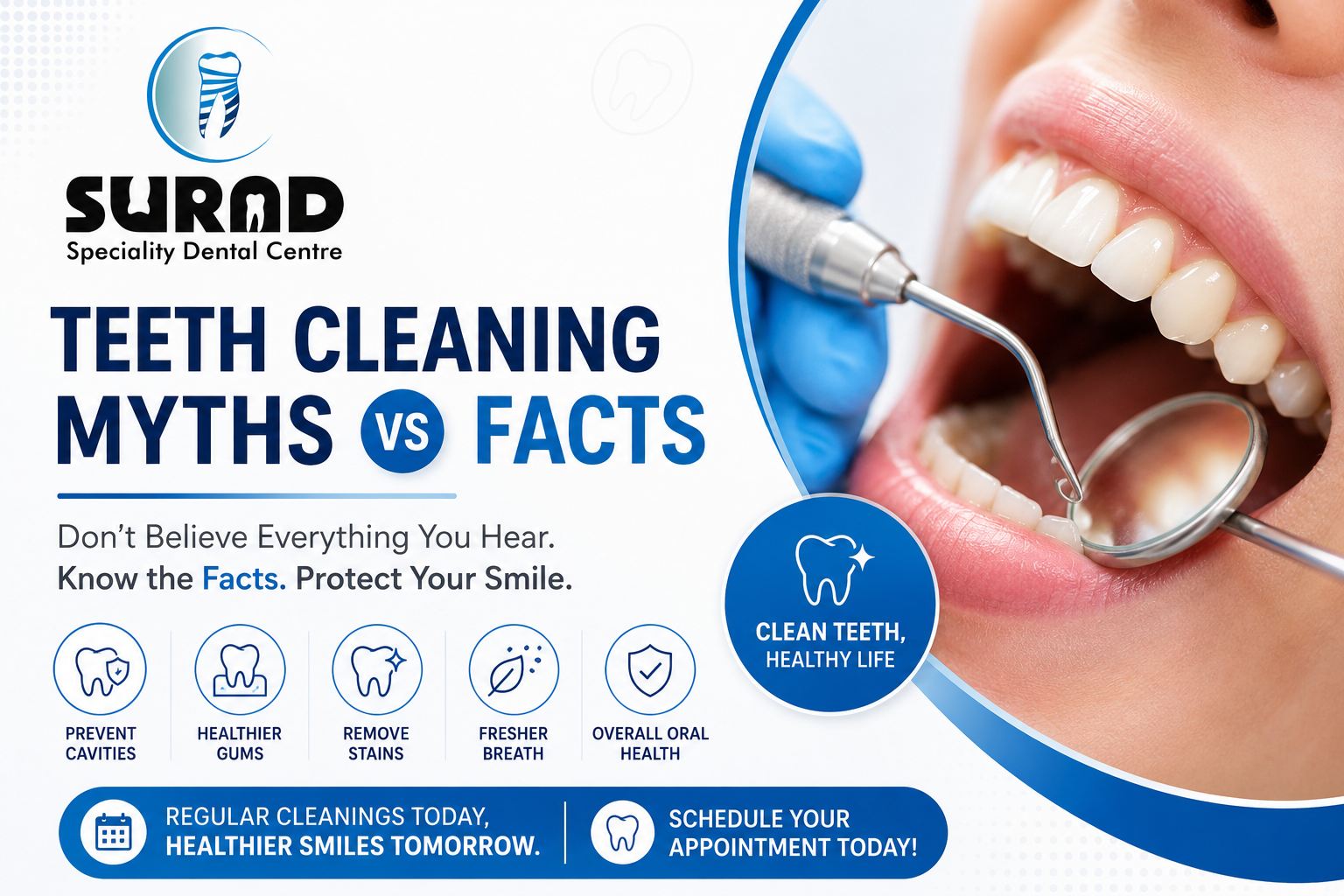
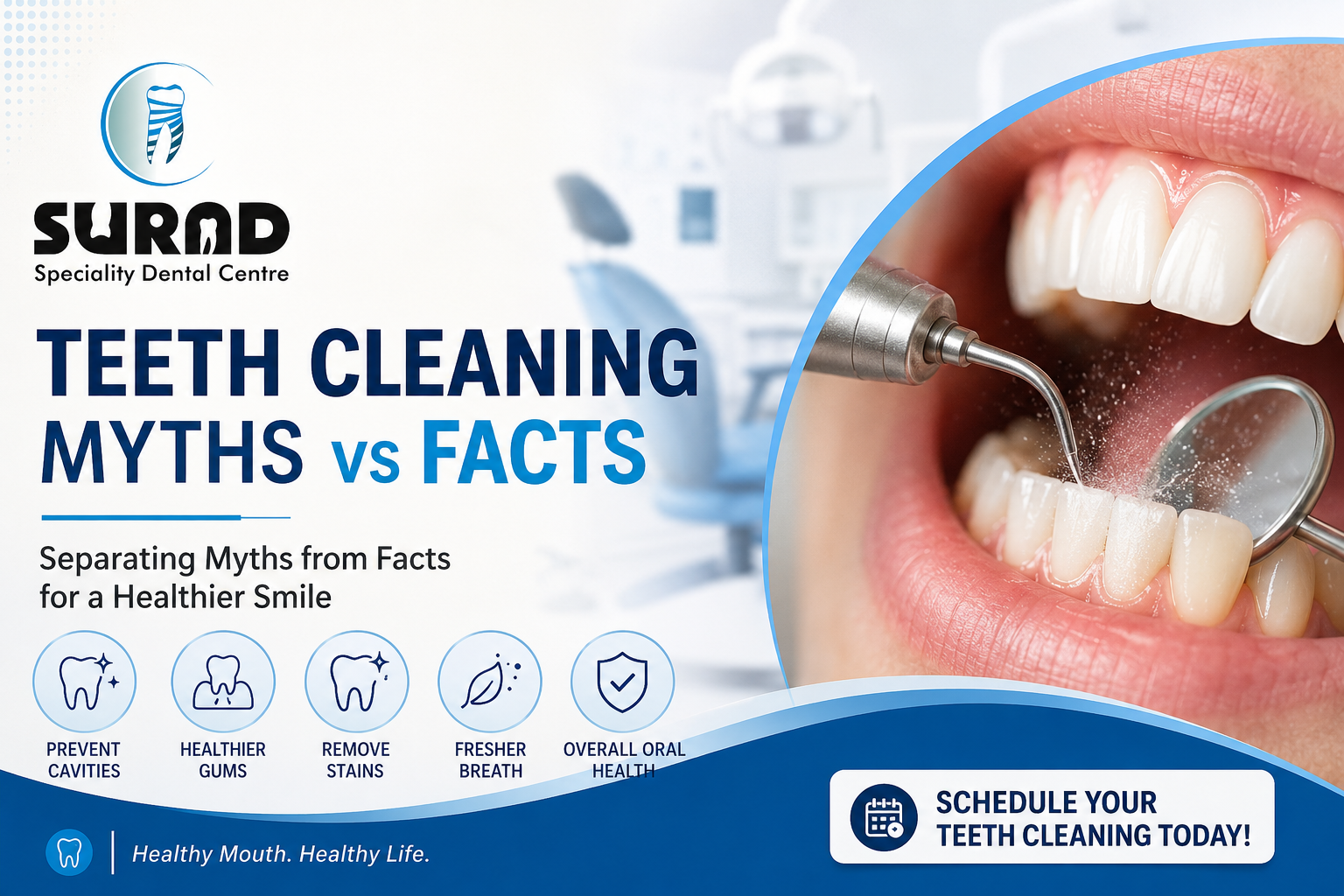
Professional teeth cleaning, also known as dental scaling and polishing, is a preventive dental procedure performed by a dentist or dental hygienist. It helps remove plaque, tartar, and stains that regular brushing and flossing cannot eliminate completely.
Routine teeth cleaning helps:
- Prevent cavities
- Reduce gum disease risk
- Remove stains
- Improve bad breath
- Maintain overall oral health
Myth 1: Teeth Cleaning Damages Tooth Enamel
One of the most common myths is that professional cleaning weakens or damages tooth enamel.
The Truth
Dental cleaning is designed to safely remove plaque and tartar without harming the teeth. Dentists use specialized tools and techniques that are gentle on enamel while effectively cleaning the tooth surface.
In reality, avoiding cleanings can allow harmful bacteria and tartar buildup to damage your teeth over time.
Myth 2: Teeth Cleaning Is Painful
Many people fear dental cleanings because they believe the procedure is painful.
The Truth
Most routine cleanings are comfortable and painless. Some patients with sensitive teeth or significant tartar buildup may experience mild discomfort, but modern dental techniques help minimize sensitivity.
Regular cleanings also make future appointments easier and more comfortable.
Myth 3: If My Teeth Look Clean, I Don't Need Professional Cleaning
Even if your teeth appear clean, plaque and bacteria can still build up in hard-to-reach areas.
The Truth
Brushing and flossing at home are important, but they cannot remove hardened tartar completely. Professional cleaning helps clean areas below the gumline and between teeth where bacteria often accumulate.
Regular dental visits also help detect problems early before they become serious.
Myth 4: Teeth Cleaning Causes Gaps Between Teeth
Some people notice spaces between their teeth after cleaning and assume the procedure caused damage.
The Truth
The "gaps" are usually areas where tartar buildup had accumulated for a long time. Once the tartar is removed, the natural space between teeth becomes visible again.
The cleaning itself does not create gaps or damage healthy teeth.
Myth 5: Teeth Cleaning Makes Teeth Sensitive Permanently
Temporary sensitivity after cleaning is possible, especially if there was heavy plaque buildup.
The Truth
Any sensitivity is usually mild and temporary. It often improves within a few days. Professional cleaning actually helps protect teeth and gums from future damage and sensitivity caused by gum disease or decay.
Myth 6: Only People with Dental Problems Need Teeth Cleaning
Some individuals believe dental cleaning is only necessary when there is pain or visible dental disease.
The Truth
Professional cleaning is preventive care. Regular cleanings help stop problems before they start and reduce the risk of costly treatments later.
Dentists generally recommend professional cleaning every six months, although some patients may require more frequent visits.
Myth 7: Teeth Cleaning Whitens Teeth Permanently
Professional cleaning can remove surface stains and make teeth appear brighter.
The Truth
Dental cleaning is not the same as teeth whitening treatment. It improves cleanliness and removes stains caused by tea, coffee, smoking, or food, but it does not permanently change the natural color of your teeth.
For significant whitening results, professional whitening treatments may be recommended.
Benefits of Regular Teeth Cleaning
Routine professional cleanings offer many benefits, including:
- Healthier gums
- Fresher breath
- Reduced plaque and tartar buildup
- Early detection of dental issues
- Lower risk of tooth decay
- Improved overall oral hygiene
Good oral health may also support better overall health.
Tips to Maintain Clean Teeth at Home
To keep your teeth healthy between dental visits:
- Brush twice daily with fluoride toothpaste
- Floss every day
- Limit sugary foods and drinks
- Drink plenty of water
- Avoid tobacco products
- Replace your toothbrush every 3 months
When Should You Schedule a Teeth Cleaning?
You should consider a professional cleaning if you notice:
- Bleeding gums
- Bad breath
- Tartar buildup
- Tooth stains
- Gum swelling
- Long gaps since your last dental visit
Regular dental checkups help maintain long-term oral health and prevent complications.
Conclusion
Professional teeth cleaning is a safe, effective, and essential part of dental care. Many common myths about cleanings are based on misunderstandings that can discourage people from getting proper treatment.
Routine dental cleanings help protect your teeth, gums, and overall oral health. By separating myths from facts, you can make informed decisions and maintain a healthier smile for years to come.
Schedule Your Teeth Cleaning Today
If it has been more than six months since your last dental cleaning, schedule an appointment with your dentist today. Preventive care is one of the best investments you can make for your oral health.